Nian Gao
Introduction
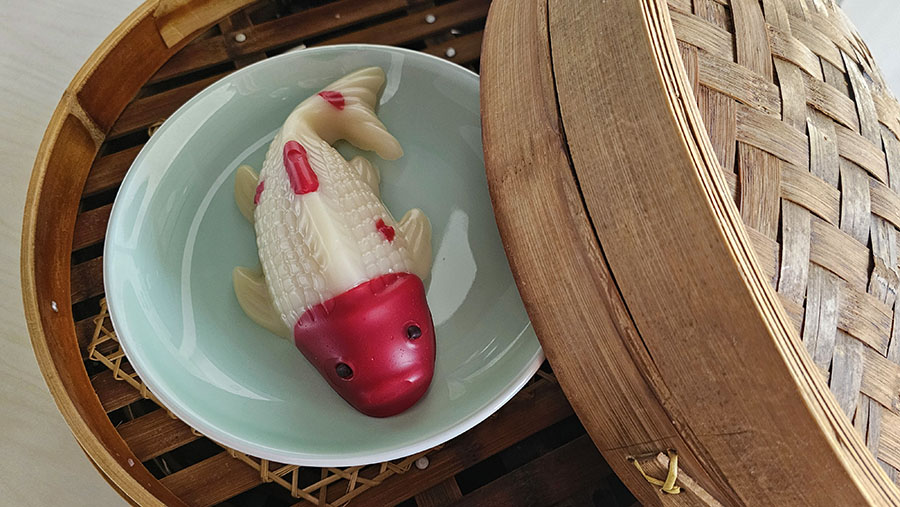
Nian Gao, also known as Chinese New Year rice cake, is a traditional delicacy deeply rooted in Chinese culture and culinary traditions. Its name, "nian gao" (年糕), is a homophone for "year higher" (年高), symbolizing progress, prosperity, and growth year after year. This sticky and chewy rice cake is a staple during the Spring Festival, embodying the hopes and aspirations of families for the coming year. Nian gao is not merely a dish but a cultural artifact, crafted with care and imbued with symbolic meaning. Its various shapes and flavors, such as fish-shaped cakes for abundance and ingot-shaped ones for prosperity, reflect the rich tapestry of Chinese culinary artistry and cultural heritage.
History
The history of nian gao dates back thousands of years, with its origins rooted in ancient Chinese rituals and traditions. Initially, sticky grain cakes were prepared as offerings to ancestors and deities, symbolizing prayers for good harvests and blessings. Over time, the word "gao" (cake) became associated with "gao" (high), reinforcing its symbolic connection to progress and aspiration.
During the Xia Dynasty, more than 2,000 years ago, nian gao was already a part of the annual rituals, often linked to the Kitchen God, Zao Jun. Families would offer sticky and sweet rice cakes to Zao Jun before his annual journey to report to the Jade Emperor, hoping to sweeten his words and secure blessings for the household. This tradition underscores the enduring cultural significance of nian gao as a medium for expressing hopes and securing prosperity.
From imperial courts to humble households, the preparation and consumption of nian gao evolved over centuries. Regional variations emerged, influenced by local ingredients and culinary techniques. In northern China, yellow millet and glutinous rice were used to create firm cakes with a toasted aroma, while in southern regions, stone-ground glutinous rice yielded snow-white cakes suitable for both sweet and savory dishes. Despite these differences, the essence of nian gao as a symbol of unity, progress, and well-being remained unchanged.
Ingredients and Preparation
Nian gao is traditionally made from glutinous rice flour, water, and sugar, though variations may include additional ingredients such as red beans, coconut milk, or sweet-scented osmanthus. The preparation process is meticulous and time-consuming, requiring patience and skill to achieve the desired texture and flavor.
-
Soaking and Grinding: The glutinous rice is soaked for several hours or even days to soften it. In some regions, such as Linhai in Zhejiang province, the rice is dry-ground without adding water, preserving its natural fragrance and creating a resilient texture.
-
Mixing and Kneading: The soaked or ground rice is mixed with water and sugar to form a smooth paste. This mixture is then kneaded to ensure uniform consistency.
-
Steaming: The rice paste is poured into molds, often lined with bamboo or coconut leaves, and steamed until it solidifies. The steaming process enhances the cake's chewiness and infuses it with a fragrant aroma.
-
Shaping and Decoration: nian gao can be shaped into various forms, such as fish, ingots, or rectangles, each carrying specific symbolic meanings. In some regions, patterns or decorations are added to enhance its visual appeal.
-
Cooking Methods: Once prepared, nian gao can be eaten in various ways, including steaming, frying, or stir-frying with other ingredients. Popular combinations include stir-fried nian gao with pickled mustard greens or braised with seafood.
Cultural Significance
Nian gao holds profound cultural significance in Chinese society, particularly during the Spring Festival. Its name, which sounds like "year higher," embodies the collective aspiration for progress, prosperity, and success. The act of making and sharing nian gao fosters a sense of unity and continuity, connecting generations through shared traditions.
The symbolism of nian gao extends to its shapes and flavors. Fish-shaped cakes represent abundance, while ingot-shaped ones signify wealth. The sticky texture of nian gao is also believed to "stick" good fortune to those who consume it. In some regions, families gather to make nian gao together, turning the preparation process into a communal celebration of reunion and togetherness.
The association of nian gao with the Kitchen God, Zao Jun, further highlights its role in traditional Chinese rituals. By offering sweet and sticky nian gao to Zao Jun, families hope to secure his favor and ensure a positive report to the Jade Emperor, thereby inviting blessings for the coming year.
Regional Variations
The diversity of nian gao reflects the rich culinary heritage of China, with regional variations showcasing unique ingredients and preparation methods:
-
Northern China: In northern regions, nian gao is often made with yellow millet or glutinous rice, resulting in firm cakes with a toasted aroma. These cakes are typically pan-fried for a crispy exterior and soft interior.
-
Southern China: Southern styles of nian gao, such as those from Zhejiang and Jiangsu provinces, are made from stone-ground glutinous rice, yielding a smooth and elastic texture. Variations include Ningbo's water-ground rice cakes, which are softer and smoother, and Suzhou's nian gao, enriched with pork lard for a richer flavor.
-
Linhai, Zhejiang: Hand-pounded nian gao from Linhai is renowned for its adherence to ancient techniques. The rice is repeatedly pounded by hand, preserving its natural fragrance and creating a chewy texture. It is often paired with traditional brown sugar or stir-fried with seasonal greens.
-
Ningbo, Zhejiang: Ningbo's water-ground rice cakes are softer and smoother, often used in savory dishes or paired with sweet ingredients like brown sugar.
-
Guangdong province: In Guangdong, savory radish cakes are a popular variation, balancing chewiness with freshness. These cakes are often pan-fried and served as a dim sum delicacy.
-
Fujian province: Fujian's brown sugar nian gao is dark, fragrant, and symbolizes a year of thriving fortune. It is a staple during the Spring Festival, enjoyed for its rich flavor and auspicious meaning.
-
Jiangsu province: In Nantong, square rice cakes are a quintessential item during the Spring Festival. These cakes, often painted with red patterns, symbolize prosperity and are made using traditional handicrafts.
-
Hongshan, Wuxi: In Wuxi's Hongshan town, brown sugar nian gao is a Spring Festival necessity. The cakes are kneaded by hand and shaped into rectangles, offering a sweet and nostalgic taste.
Across China, nian gao continues to evolve, blending traditional techniques with modern tastes. Whether enjoyed as a festive treat or a daily staple, nian gao remains a cherished symbol of Chinese culture and culinary artistry.








